
South Africa Returns Zimbabwe’s Stolen Heritage
In a historic move, South Africa has returned ancestral human remains and a sacred artefact to Zimbabwe, marking a significant step in the global effort to reclaim looted cultural heritage. The handover ceremony, attended by officials from both nations, symbolizes a broader moral obligation to address past injustices.
Written by
Battora Editorial Team
South Africa Returns Zimbabwe’s Stolen Heritage
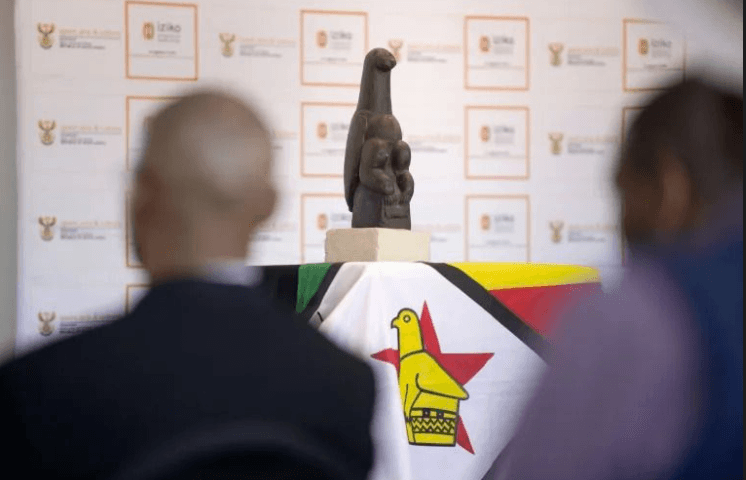
In a landmark event, South Africa has returned ancestral human remains and a treasured artefact to Zimbabwe, highlighting a significant moment in the ongoing global campaign for the repatriation of culturally significant items taken during colonialism. The ceremony took place at a museum in Cape Town, where eight coffins draped in the Zimbabwean flag stood in solemn tribute.
The Handover Ceremony
The remains, which had been removed over a century ago, were taken as so-called “scientific specimens” during a period marked by exploitation. Among them was a tribal chief whose skull and jaw were collected in 1910, and another believed to be a man killed over accusations of witchcraft. South Africa’s Minister of Sports, Arts and Culture, Gayton McKenzie, emphasized the importance of rectifying historical wrongs, stating, "We must return what doesn't belong to us." This act of restitution reflects a growing recognition of the need to confront past injustices.
A Symbol of Cultural Identity
Alongside the remains, South Africa also returned a centuries-old soapstone carving of the Zimbabwe bird, a powerful national symbol for Zimbabweans. This artefact was originally taken from the ancient ruins of Great Zimbabwe, a UNESCO World Heritage Site that represents a significant part of the nation's heritage. The carving, which stands at 33 centimeters tall, was a prominent feature at the site before it was looted by a British explorer in the late 19th century.
Rebuilding Connections
The return of these items is not merely a logistical act; it is deeply tied to identity and historical justice. Reverend Paul Damasane, a government representative from Zimbabwe, described the moment as a "remembering of what we were dismembered before," highlighting the deep cultural significance of this restitution. He noted that it reinforces the camaraderie between the leaders of both nations.
A Broader Movement
This restitution aligns with a worldwide push for the repatriation of looted artefacts. As nations confront their colonial histories, the return of stolen heritage serves as a crucial step toward healing and reconciliation. The actions of South Africa may inspire other countries to consider similar pathways, acknowledging the importance of cultural heritage in shaping national identity.
Related stories


Read next
Decoding Zimbabwe’s Melodies: Danai’s Classroom Revolutionizes Music Understanding
Danai’s Classroom is redefining how Zimbabwean music is perceived, turning songs into rich narratives filled with meaning and cultural insights. Through her work, she connects generations by unpacking the hidden messages within timeless tracks, making music a powerful tool for understanding identity and resilience.
Continue reading