
Danai Presents: Exploring the Complexities of Youth Relationships in 'Neva Say Neva' by Mas Genesis
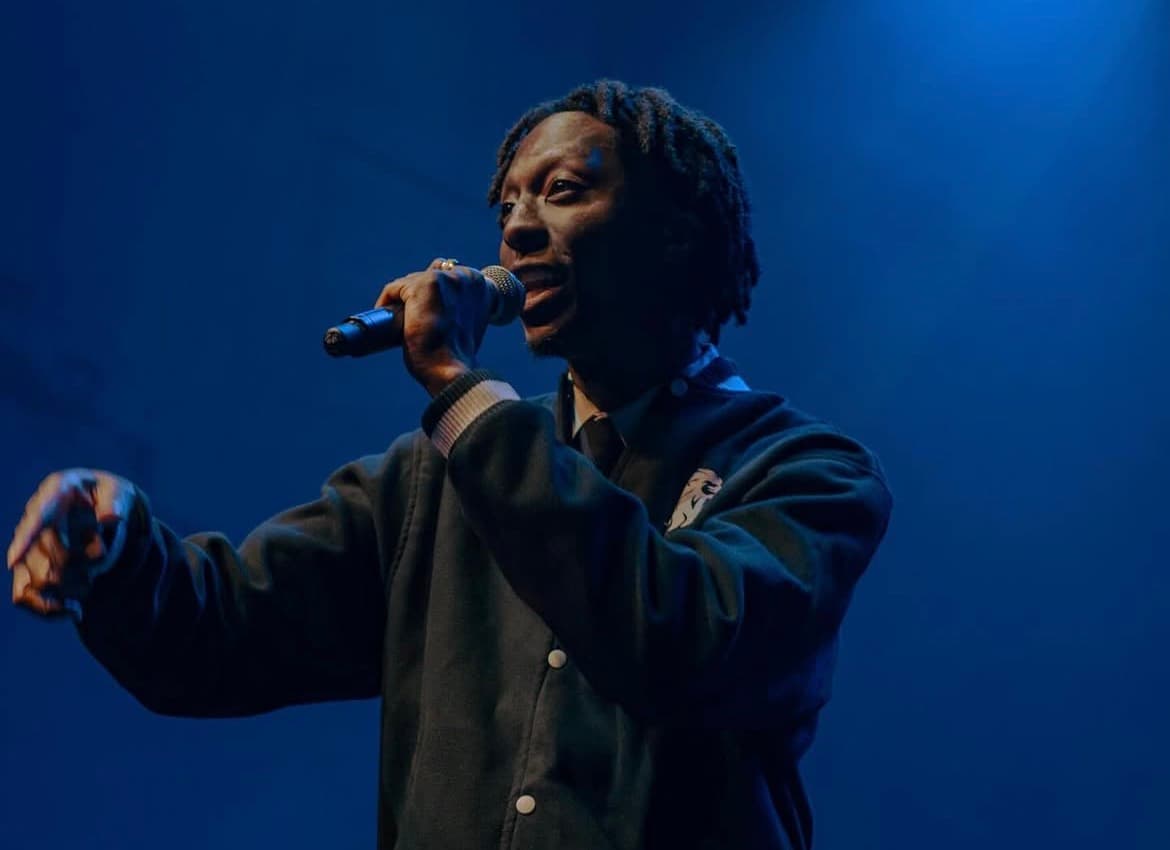
In ‘Neva say neva’, Mas Genesis captures the tumultuous emotions of young love with a relatable narrative. The song intertwines humor and heartfelt moments to explore the challenges of commitment and emotional maturity among youth.
Written by
Battora Editorial Team
An analysis of ‘Neva say neva’ by MAs Genesis
Written by Danai,
‘Neva say neva’ by Mas Genesis depicts what could’ve been a relationship between two people clearly interested in each other, but lack the emotional maturity to commit or step away from the situation. The song starts off with a clip from a stand-up comedy show that talks about friends having romantic tension with each other which gives the listener a heads up that this is about to be a friends-to-lovers trope.
In a flashback, the voice of the song sets the scene -these are high school students. It’s unclear how old they were but probably a general age range of 13 to 19. “They put you in my form class” implies that she was a new student who came a bit late so they didn’t start high school together, she was fresh meat which probably contributed to why the protagonist was drawn to her. The reference to ‘form’ instead of ‘grade’ to indicate their education level, feels familiar and therefore very relatable for a Zimbabwean. The romantic interest they have for each other is reciprocated, but the main vice shatters whatever hope you have of them dating: he had strict parents who made it difficult for him to date.
Although there is no comprehensive description of what the love-interest looks, the listener is made aware that she had dimples and fair skin (well, at least light enough for her cheeks to visibly blush).
Skipping to the present, it is implied they stayed in touch overtime even though they live in different cities and are still deeply emotionally intertwined with each other. She relies on him for emotional support and he sits in her tears’, an image of his willingness to go through good times (i.e. happy tears) and bad times (i.e. sad tears) with her.
The next part of the song is where I don’t really know how to feel because despite the love interest never being single the whole time they have known each other and had shared bad sexual intimacy which points to her having a lack of restraint and him not having respect for the relationship she is in because he knows about it. This is a clear depiction of the both of them being in the wrong.
It is revealed that the girl confessed an interest in pursuing a romantic relationship with the protagonist but he denied her advances. Now, the roles are reversed and while the love interest claims to want a platonic relationship, this appears as an attempt to keep stringing the main character along because their relationship is undeniably romantic. The listener is not given an explanation for the girl’s failure to commit but the main character acknowledges that he has an avoidant attachment style due to childhood trauma which resulted in feeling uncomfortable with expressing emotions freely. Is this a valid explanation for his actions or is this person using his upbringing as a scapegoat for his failure to take initiative in the past thus avoiding accountability? I honestly do not know but he does get brownie points of being self-aware.
The verses analysed above are sandwiched between comedy clips; the last of which explains a story where a girl tells a boy with a crush on her that she would rather stay friends which is essentially the whole song summed up in a single sentence.
The final verse speaks directly to the listener, giving advice on how one shouldn’t value the ‘hypothetic voices’ or overthink in life. The voice elaborates that having an avoidant nature increases the risk of missing or losing out on a relationship that you may deeply desire.
This song is both entertaining and educational, exploring the themes of youth, love and relationships. In a generation that relies heavily on ‘therapy language’, this song fits perfectly into my understanding of Gen Z art. It reflects the current trend to focus more on emotional and mental health and reads like a fable sending an invaluable message to all listeners.
Related stories


Read next
The Booming Music Festival Market: Insights and Trends for 2035
The global music festival market is projected to grow significantly, reaching $30.20 billion by 2035. With nearly half of the demand coming from younger audiences, this vibrant ecosystem is evolving to integrate technology, sustainability, and immersive experiences.
Continue reading