
Africa: Where Fashion and Identity Woven Together Create a New Narrative
In the vibrant tapestry of African fashion, a shift is both palpable and profound. Designers are no longer just influenced by tradition; they are redefining narratives, embracing the continent’s rich heritage while leading with innovation. This article explores how the African fashion industry is shaping a bold identity that demands the world's attention and respect.
Written by
Battora Editorial Team
As dusk falls over Africa, the streets transform into a vibrant catwalk, each corner echoing with the heartbeat of creativity. The air is thick with the fragrance of fresh fabric, the sounds of laughter, and the artistry that flows from the minds of designers who refuse to be silent. This is the new Africa—where fashion is not merely a statement but a living testament to culture, resilience, and audacious dreams.
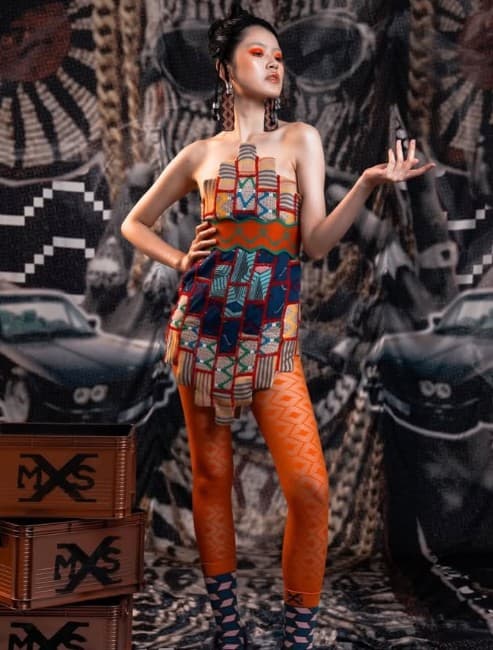
Peering into the runways of Lagos or the artisanal markets of Nairobi, it becomes glaringly evident that African fashion is no longer the periphery of global trends; it is the core. Designers are leading with fashion as a means of self-expression, channeling the myriad colors and textures of their heritage into pieces that speak volumes. This movement is unapologetically bold, challenging old narratives and inviting the world to listen—to truly see what Africa has always been and can become.
From the intricate beadwork of the Maasai to the sleek silhouettes of contemporary couture, fashion in Africa is steeped in history yet brimming with future potential. Each garment tells a story, weaving together threads of identity, struggle, and triumph. Here, fashion is about more than aesthetics; it is an act of reclamation, a way to assert that Africa’s narrative is rich, complex, and unapologetically its own.
Take, for instance, the emergence of sustainable practices among designers across the continent. Innovators like Nigeria’s Mai Atafo are not just crafting bespoke suits but are also advocating for environmentally conscious choices in the industry. This fusion of elegance with ethics signals a radical shift toward a more responsible future—one where fashion embodies the spirit of the people, reflects their realities, and respects the environment from which it springs.
Let’s not forget the style revolution ignited by creatives like Sewing for the Future in Johannesburg, where young tailors fulfill the dual purpose of enhancing individuality and sparking economic empowerment. These artisans are rewriting the rules—molding fashion into a tool for agency and self-sufficiency, proving that every stitch can carry the weight of a dream. In these spaces, fashion is an equalizer, a bridge connecting the past to the present and into an imagined future.
This cultural tapestry continues to unravel as African designers expand their reach beyond borders, earning accolades on global stages. Yet, the question lingers: how do we ensure that this burgeoning industry is recognized for its roots and not just its aesthetic? In a world where trends fade as quickly as they emerge, it is crucial to advocate for a narrative that highlights the rich histories and communities behind the fabric. As Yemi Alade once remarked, "Fashion is a language that speaks to everyone, and in Africa, it tells stories that are yet to be fully explored."
As we step into the future, let’s embrace this dynamic landscape where African fashion is a dialogue—not a monologue. Every design, every thread carries the weight of generations, and it is our responsibility to uplift these voices that are constructing a narrative steeped in authenticity, creativity, and pride. Africa is fashion, yes, but it is so much more. It is a celebration of spirit, a movement redefining identity, and a splendid reminder that true beauty comes from knowing where you’ve been and daring to envision where you might go next.
Related stories



Read next
Build the Plane While You're Flying It: What Thembalethu Hadebe Understands About Building in Africa
The article discusses the need for more builders in Africa, emphasizing that innovation often arises from constraints rather than abundance. It highlights Thembalethu Hadebe's philosophy of starting with what you have and building from there.
Continue reading